









Zoundio is a Stockholm-based music tech company and the creators of Gibson App.
Gibson App is a guitar learning app for beginners and beyond. The app listens to users’ playing and gives instant feedback like a guitar game, making practice interactive and fun.
Challenge
Gibson App operates in a highly competitive music learning category dominated by several established leaders with strong brand recognition.
The team’s goal was to increase both installs and subscription revenue while maintaining efficiency.
At the start of the collaboration with SplitMetrics, the app’s paid acquisition strategy relied primarily on Apple Ads for iOS and Google Ads for Android, while Meta showed limited scalability and growth potential after testing.
Solution
Our experts implemented a fully managed user acquisition approach, taking ownership of paid channels and gradually expanding the acquisition mix while continuously optimizing performance.
The first step was improving the existing search channel. In Apple Ads, we expanded the keyword portfolio, restructured campaigns, isolated strategically important queries, and implemented custom product pages for high-impression keywords that had low tap-through or download rates.
On Google Ads for Android, we optimized countries’ performance by reducing spend in non-performing markets and reallocating budget toward top-performing regions. Replacing the optimization event and focusing on the US further allowed us to significantly reduce acquisition costs while maintaining stable install and subscription volume, with further pushing the volume twice.
Meanwhile, we also reactivated Meta with a focused approach, prioritizing one main market and including an additional Tier-1 group of countries based on the client’s insights into user LTV and audience behavior.
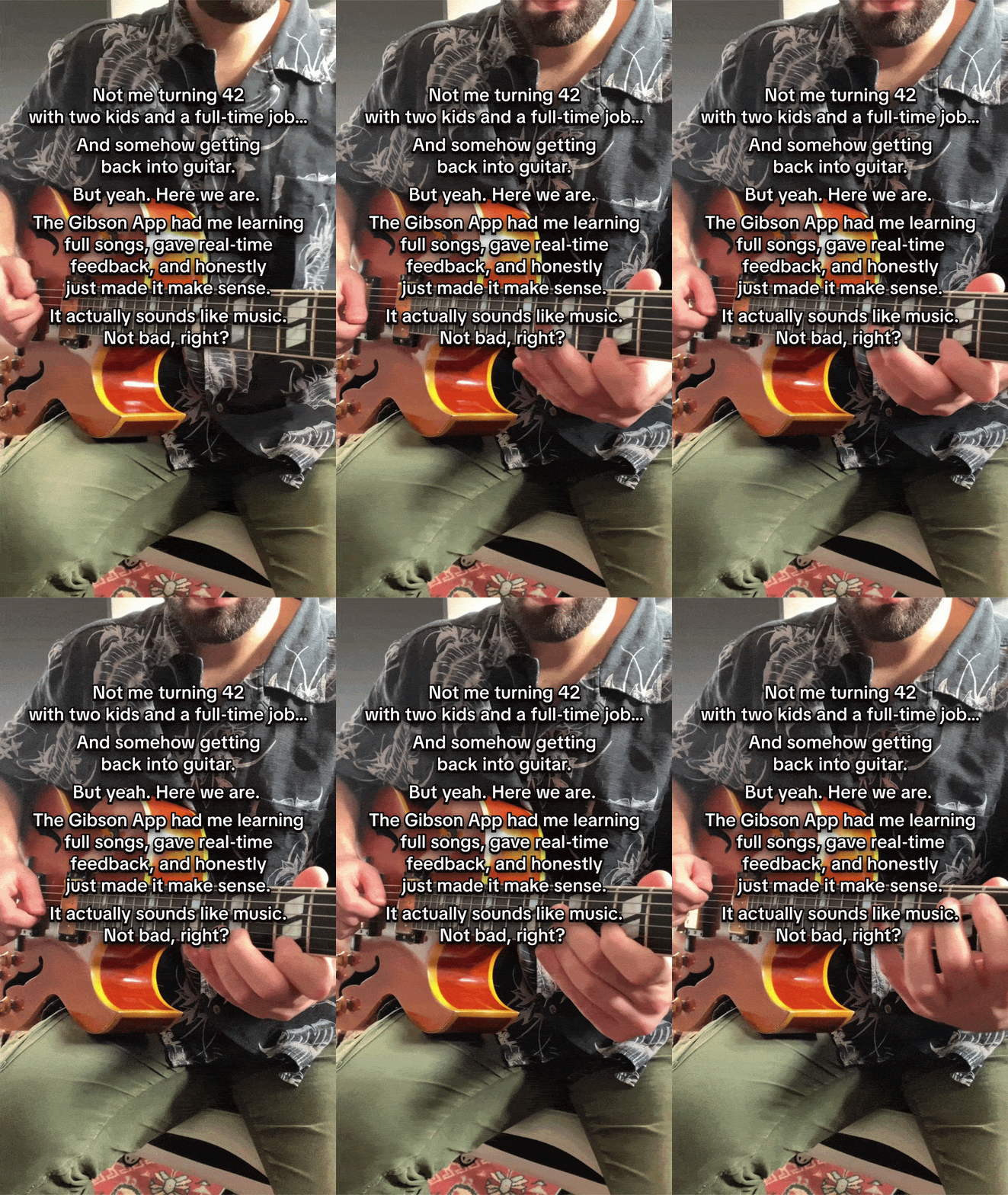
Creative testing became a central driver of growth. We built a structured production pipeline combining agency-produced creatives, UGC, and client assets. Audience research, app review analysis, and insights from the Gibson App team helped us identify which audience segments to prioritize, along with their key pain points and needs.
We also identified the types of content this audience consumed organically, like guitar tutorials, performance clips, and short educational formats. Then, we combined the types of native content users typically consume with paid acquisition creative trends, relevant hooks, and ongoing testing of emerging social media trends across Facebook, Instagram, and TikTok.
This approach led to a large-scale testing program, including, but not restricted to, the following topics:
- Music genres: jazz, blues, metal, country
- Visual and textual hooks: guitar hooks, storytelling approach

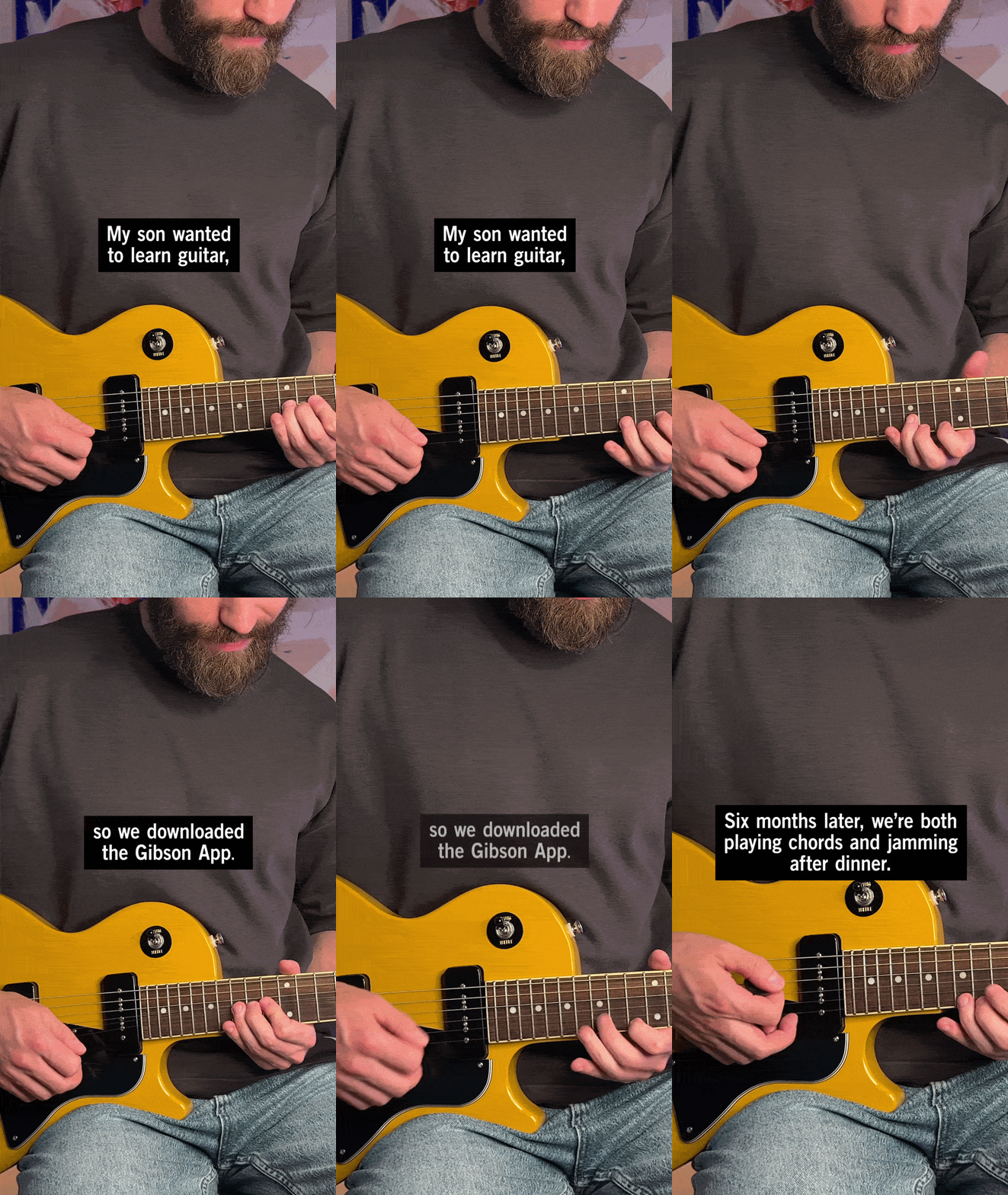
- Different learning motivations
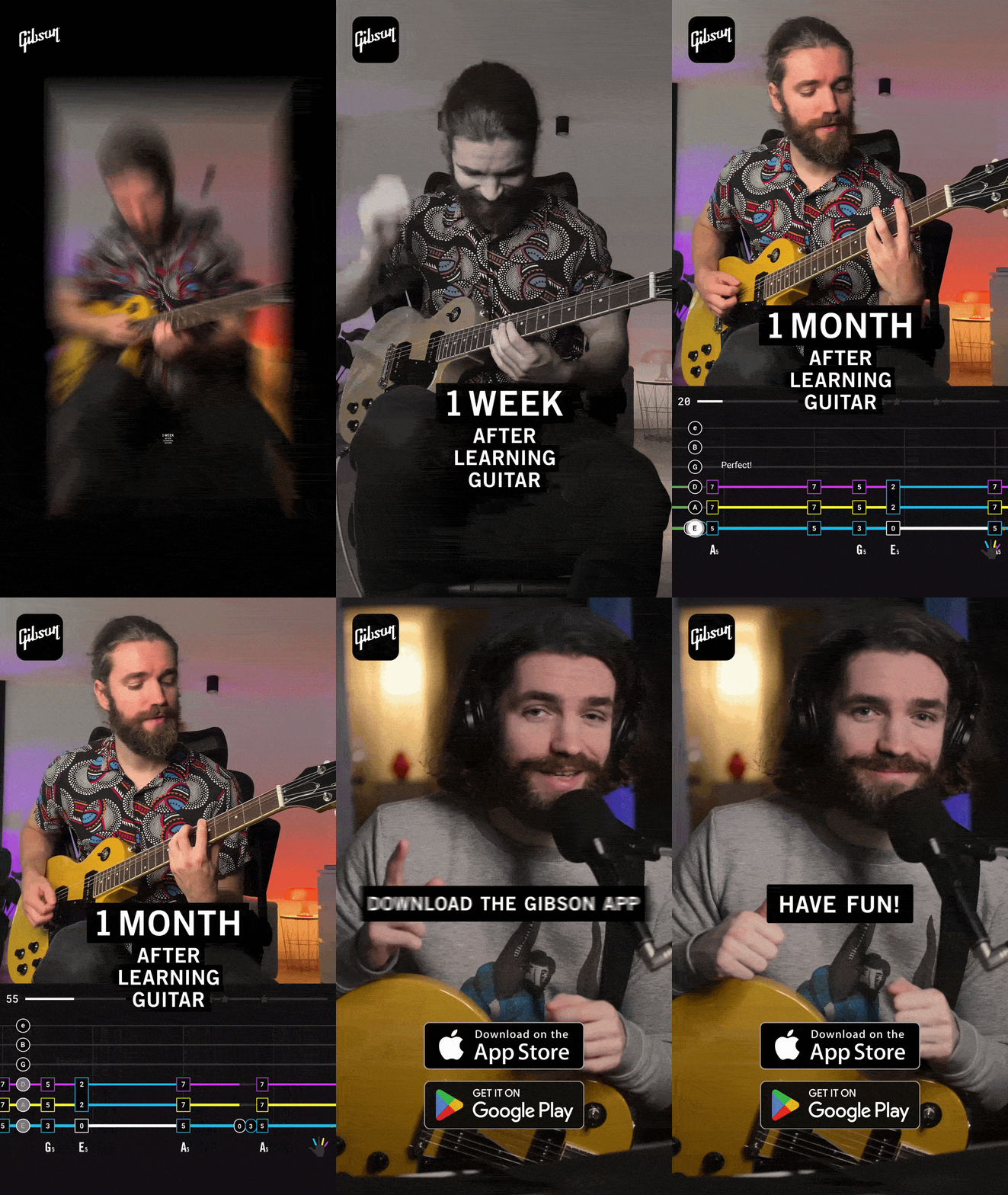

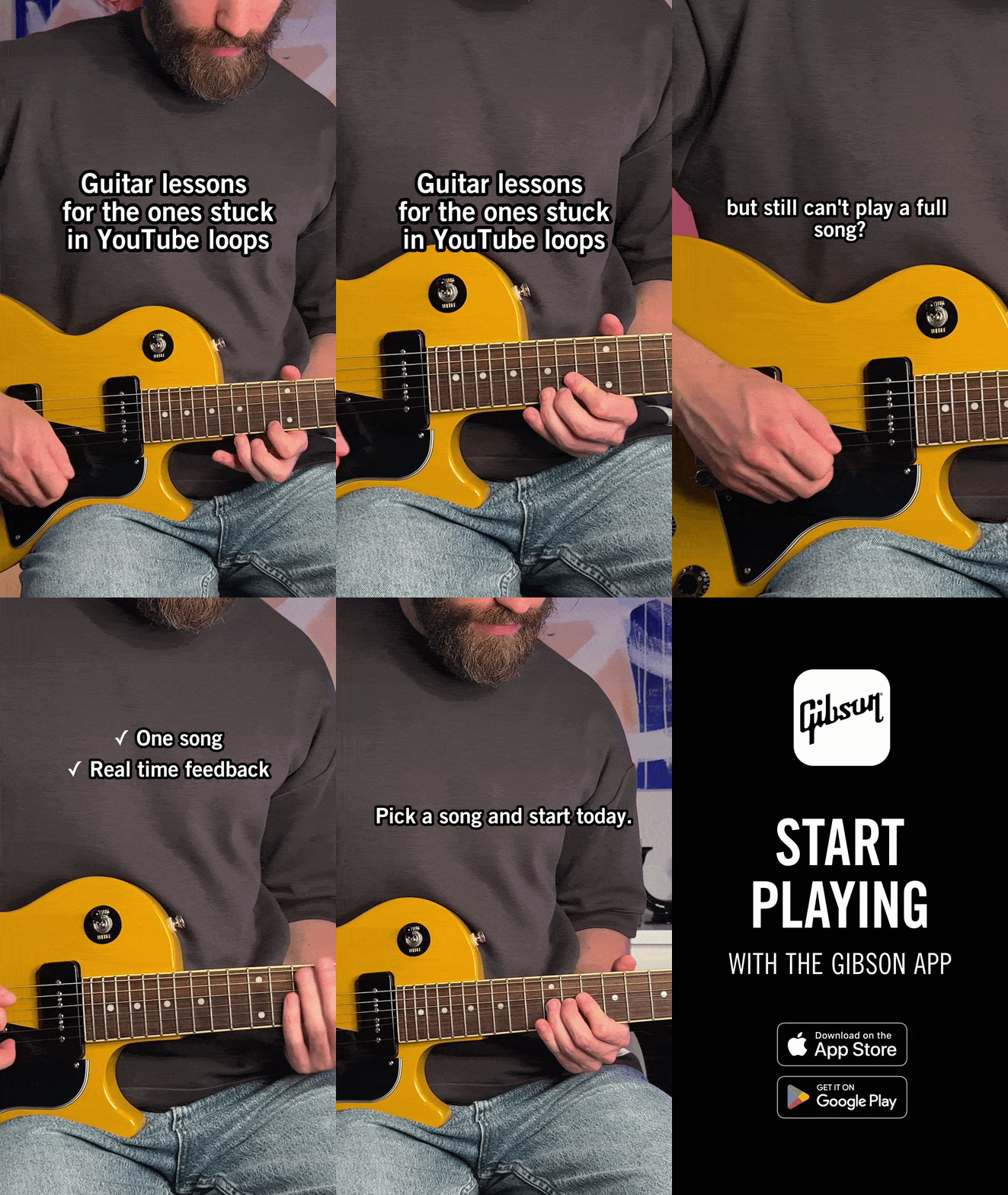
In total, more than 300 creative concepts were tested.
Based on key insights into how different audience segments are converted by gender, age, and skill level, we focused on helping the algorithms identify and reach the most valuable users more effectively. Creative development was built around these audience profiles, but the creative alone was not the only lever.
Alongside the creative push, we also tested multiple campaign setup approaches, including creative-based, targeting-based, and rules-based structures, as well as different optimization events for app campaigns and web-to-app campaigns. No single campaign structure consistently outperformed the others. Instead, performance improved when we continuously refreshed and rotated campaign structures, allowing the algorithms to maintain learning momentum and adapt more effectively over time.
Additionally, the media mix was expanded by bringing in more traffic sources, including broader Google Ads campaigns and TikTok, scaling the creative approaches that had already proven effective and adapting platform-specific concepts for each channel.
Rather than spreading budget evenly, we focused on a few core channels and used additional bursts of investment on pushing platforms during periods when the audience showed the strongest conversion potential.
Results
The combination of acquisition optimization, channel diversification, and continuous creative testing resulted in measurable growth.
Installs and subscriptions increased by 25%, while acquisition efficiency improved through lower user acquisition costs. After the client introduced a new onboarding flow, subscription volume doubled, amplifying the impact of the scaled acquisition strategy.
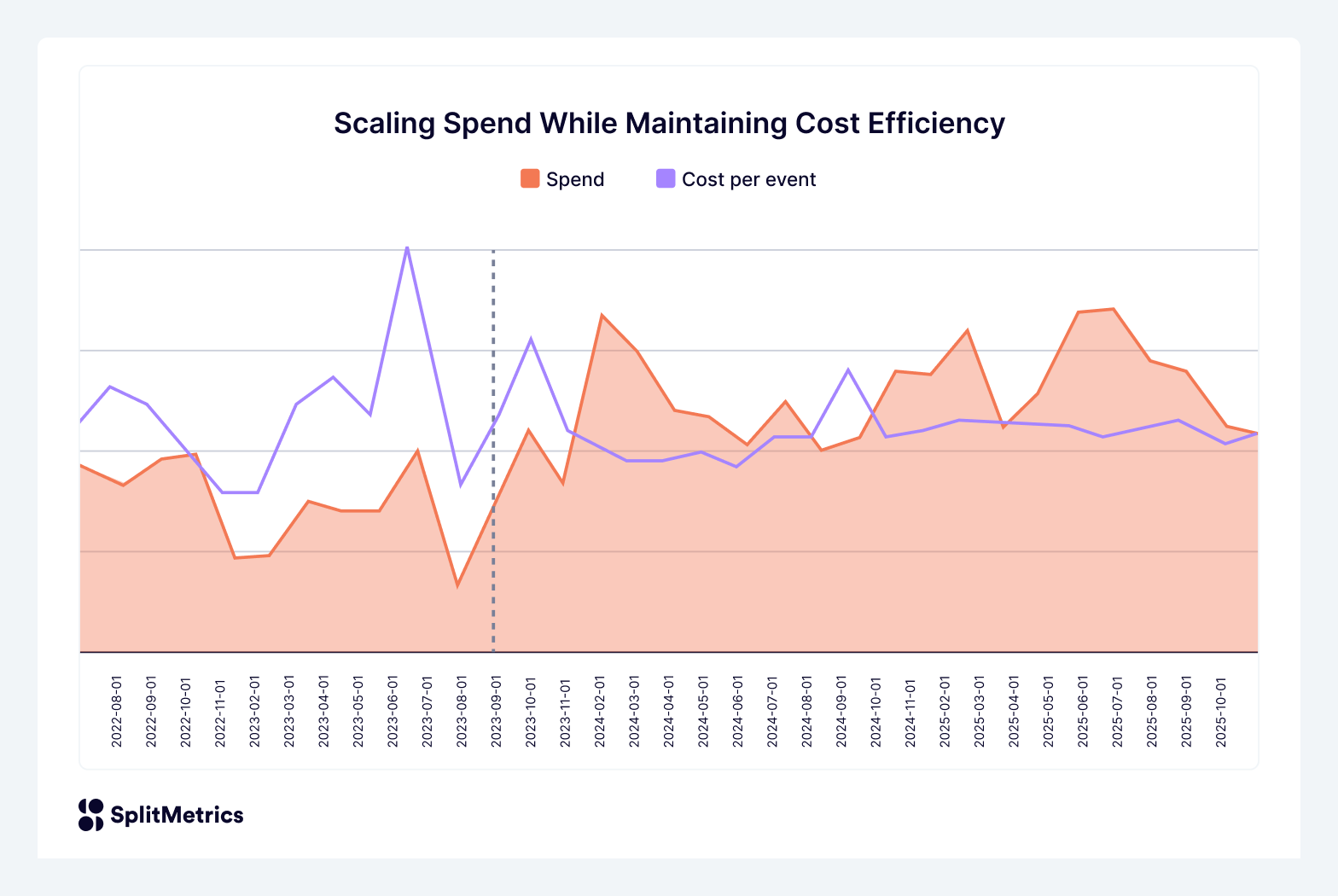
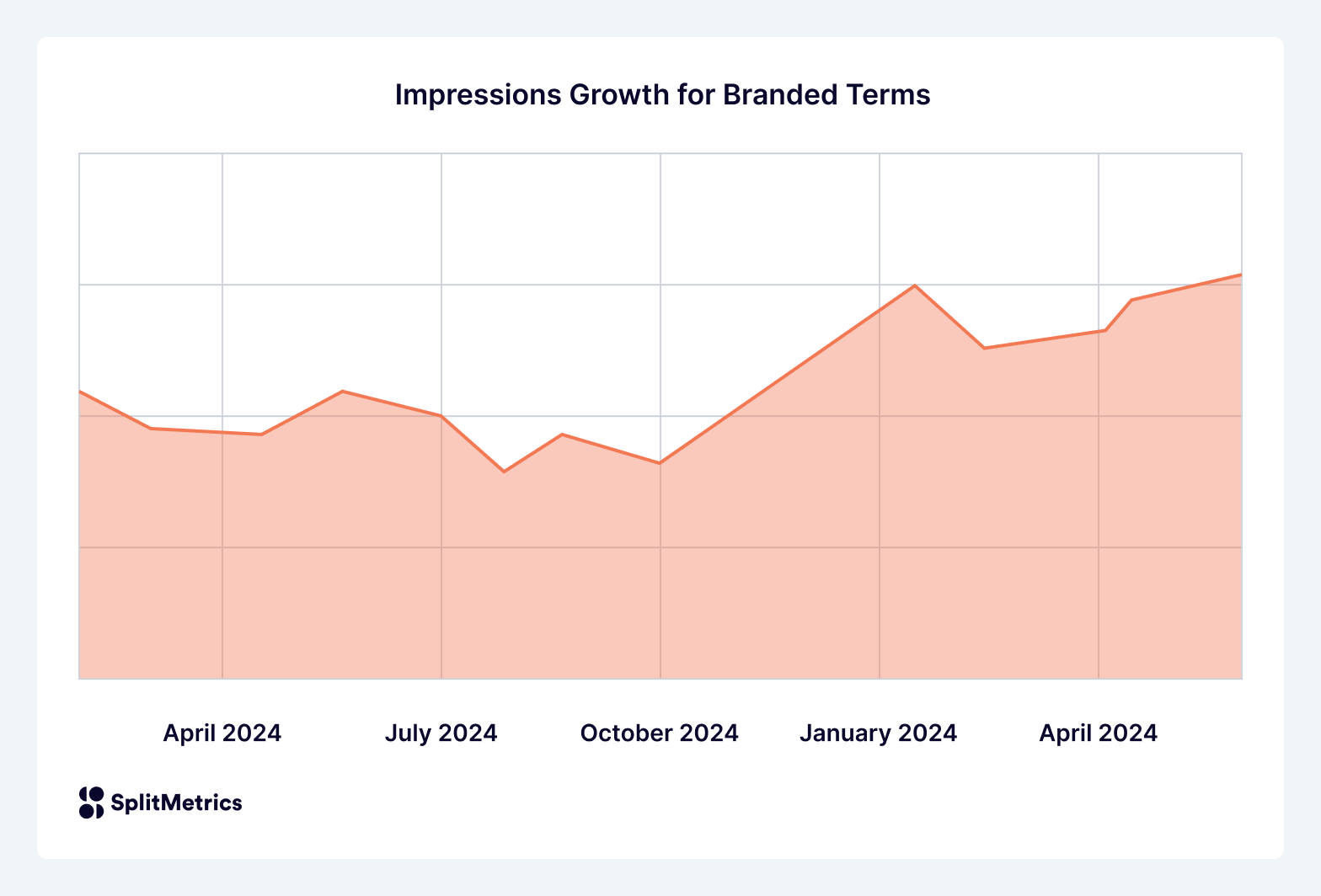
The increase in paid acquisition was accompanied by incremental brand demand. Apple Ads brand campaign impressions grew, and branded search queries nearly doubled, pointing to rising brand awareness driven by expanded user acquisition efforts.
Revenue grew by 112% over two years during the partnership, a result of work on both sides: channel expansion, creative testing, and ongoing optimization from SplitMetrics’ experts, and product improvements the Gibson App/Zoundio team ran in parallel. The chart below shows ARR growth over the period.
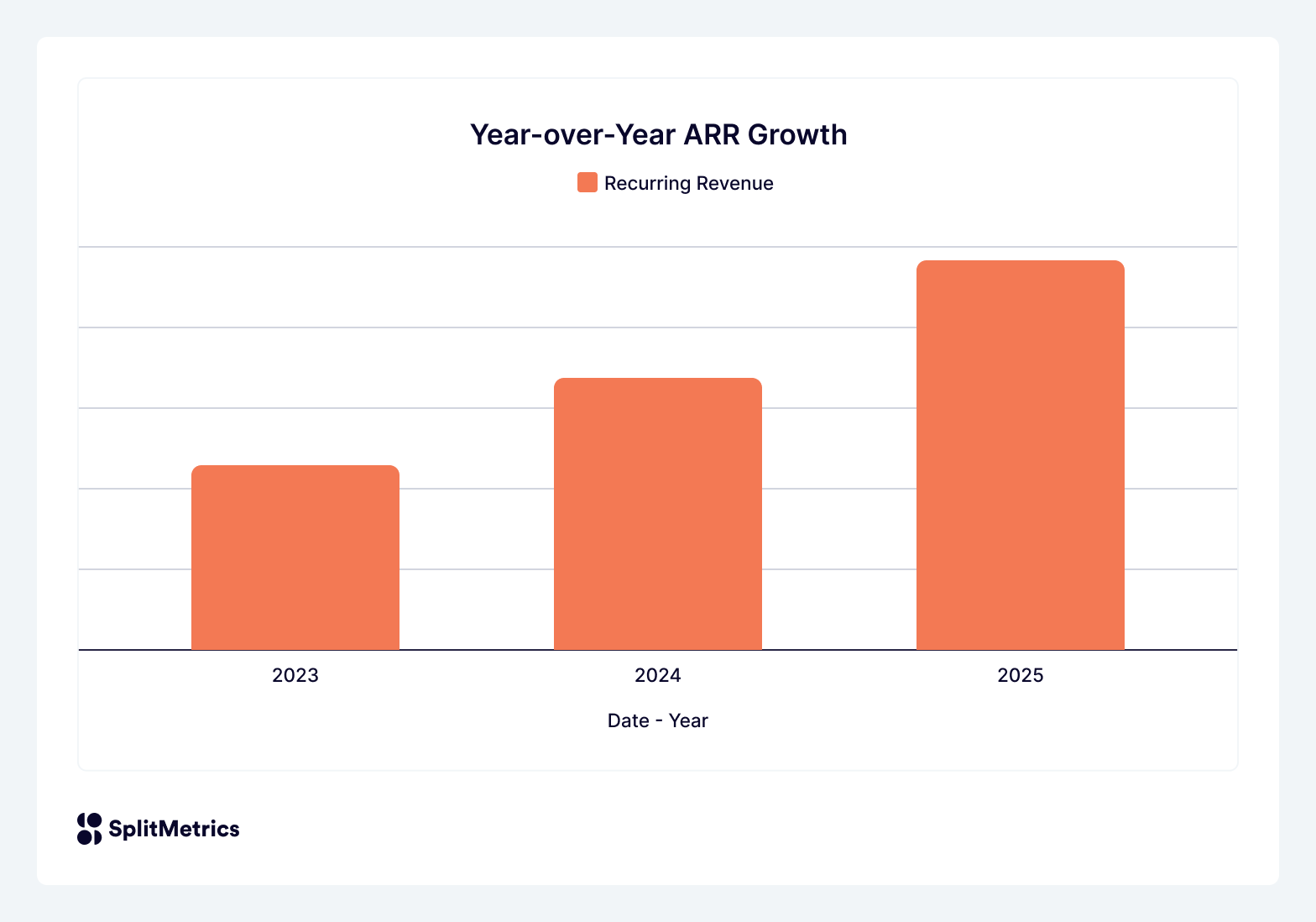
Overall, by combining strategic channel expansion and continuous creative experimentation, SplitMetrics’s experts successfully scaled Gibson App’s growth, achieving significant gains in installs, subscriptions, and revenue while maintaining efficient acquisition costs.
 Acquire

 Services

 Optimize